The Twins of Twinsburg
Identical genes, different lives, visibly different faces. What a study conducted at an Ohio twins festival established about how much of ageing you control.
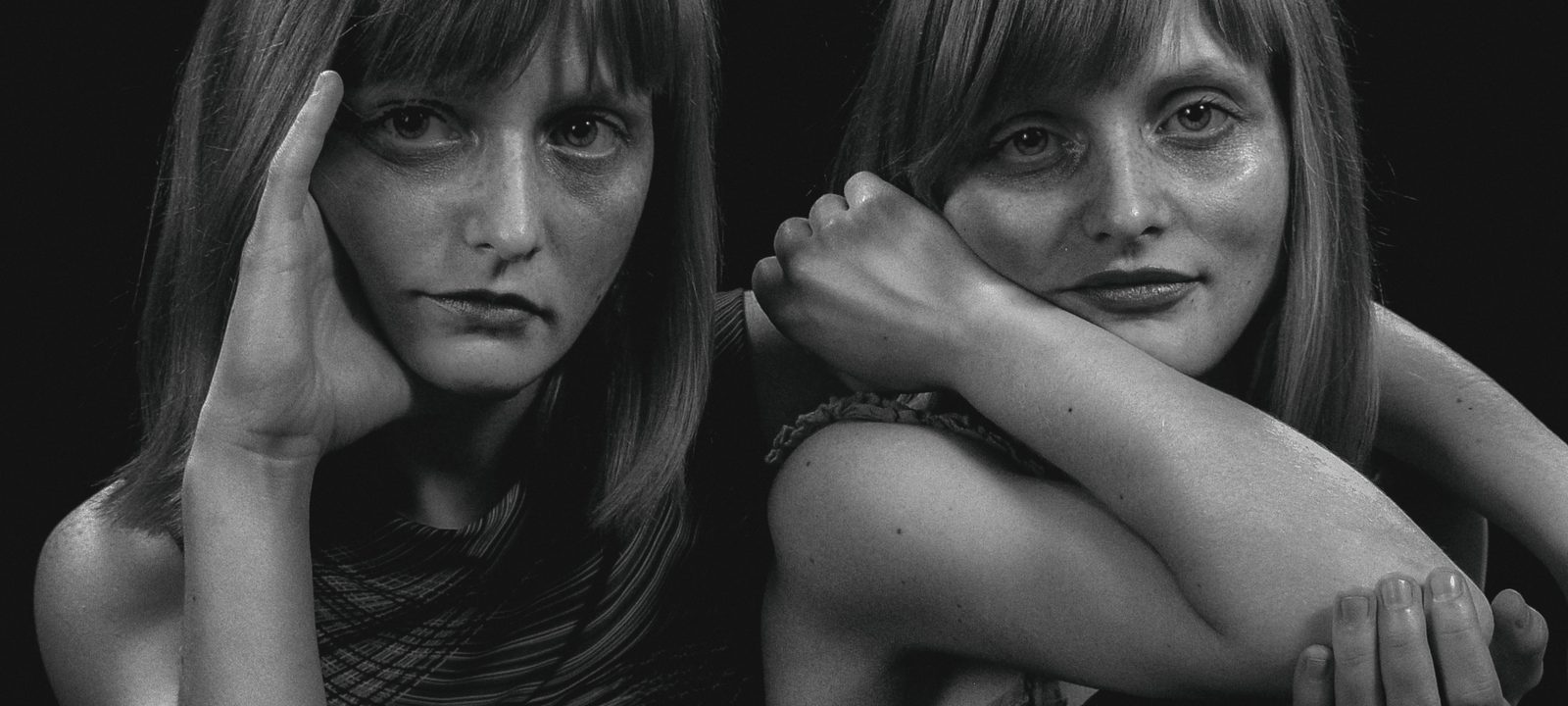
Every August, the town of Twinsburg, Ohio holds a festival for twins. Thousands attend. There are competitions, parades, and a great deal of coordinated dressing.
In 2009, a plastic surgeon realised it was also the single best natural laboratory in the world for a question dermatology had never been able to answer properly: how much of how your face ages is genetic, and how much is you?
Why the question is so hard
Compare two ageing faces and you can never separate the variables. Different genes, different lives, different everything. Even the most careful population study leaves genetics entangled with behaviour, because families share both.
Identical twins remove one half of that problem entirely. Same genome, same starting point. Whatever differences appear between them across sixty years came from somewhere other than inheritance.
Dr. Bahman Guyuron and his team took standardised photographs of identical twin pairs at the festival, alongside comprehensive questionnaires about how each sibling had lived. An independent panel then assessed the photographs and recorded the perceived age difference between siblings, along with differences in specific facial features. One analysis covered 186 pairs.
What they found
That lifestyle wrote itself onto faces which began identical.
Among pairs differing in smoking history, the findings were unusually specific. Fifty-seven of the seventy-nine pairs studied were women, with an average age of forty-eight. In each pair, either one twin smoked and the other did not, or one had smoked at least five years longer.
The result: differences in several markers of facial ageing between genetically identical siblings, concentrated in the middle and lower thirds of the face. And the detail the researchers themselves flagged as noteworthy, that even among pairs where both twins smoked, a difference of five years or more in duration produced visibly identifiable differences in ageing.
Five years of a single habit, visible on a face, against a sibling with the same genome.
A companion analysis examined sun exposure across the 186 pairs, and the perceived age differences correlated with environmental and behavioural factors rather than with anything inherited.
The photograph you have probably seen
There is a good chance you have encountered an image from this research without knowing where it came from.
Two women side by side, unmistakably sisters, one visibly older than the other. The caption, which has circulated for years, generally reads that these are identical twins aged sixty-one, and that the one on the right smoked for sixteen years and spent as much time in the sun as she could. One version on X collected more than five million views.
Snopes investigated in 2025 and again in 2026 and rated it miscaptioned. The photographs are entirely authentic and they do come from Guyuron's study; the American Society of Plastic Surgeons provided the study contents to Snopes so the images could be verified.
The caption is wrong on two counts. The images illustrated the effects of sun exposure on perceived age difference, and were unrelated to smoking. And the study never described a sixteen-year period.
Why the correction is the interesting part
It would be easy to treat this as a minor internet housekeeping matter. It is more useful than that, for two reasons.
The first is that the real finding is stronger than the myth. A caption blaming sixteen years of smoking and sunbathing invites you to file the image under extremity: something that happened to a woman who did something dramatic. The actual finding is about ordinary accumulated sun exposure, which is a thing happening to you, quietly, on the drive to work.
The second is what it demonstrates about how this kind of information travels. A genuine study, conducted properly and published in a respected journal, was flattened into a caption that made it more shareable and less true. The photographs kept their persuasive power while losing their meaning.
That happens constantly in beauty, and it is worth developing an instinct for it. When an image is doing all the argumentative work, ask what the study it came from measured.
What it establishes, and what it does not
It establishes that a meaningful proportion of visible facial ageing is attributable to how a person has lived rather than to what they inherited, and it does so with a control for genetics that no other study design offers.
It does not tell you the proportion. Perceived age difference is a real measurement and a blunt one, and a panel assessing photographs is not measuring collagen density or fat compartment volume.
Nor does it isolate single variables cleanly. People who smoke for twenty years differ from people who do not in more ways than the smoking, even when they are twins, and the questionnaire method captures self-reported history with all the limitations that implies.
What it offers is direction rather than magnitude, and direction is what most of us need. The question is rarely how many percent. It is whether the effort is worth making at all.
The version that matters
Somewhere in Ohio, two women with the same genome stood next to each other and looked meaningfully different ages.
Neither of them did anything extraordinary. One spent more time in the sun than the other across several decades, in ways that on any given afternoon would have seemed entirely unremarkable, and it accumulated.
Which is the whole argument for a daily habit, delivered more persuasively than any amount of mechanism ever manages. The things that change a face are small, repeated, and invisible until they are not.
FAQ
What did the twin study establish?
That identical twins with the same genes can look visibly different in age, and that much of the difference tracks with behaviour.
Which behaviours mattered most?
Sun exposure and smoking were the clearest, alongside weight change and, in some analyses, stress.
Are the viral twin photographs reliable?
Many circulating image pairs have been debunked. The underlying research holds up; the images passed around online often do not.
References
- Guyuron B, Rowe DJ, Weinfeld AB, Eshraghi Y, Fathi A, Iamphongsai S, "Factors Contributing to the Facial Aging of Identical Twins," Plastic and Reconstructive Surgery, 2009. Summary and study detail via the American Society of Plastic Surgeons.
- Snopes: Do photos of identical twins show effects of sun exposure, smoking?, June 2026.
- Snopes: Photos showing "effects of sun exposure and smoking" on identical twins are often miscaptioned, February 2025.